I am the Rector of two of the three churches in the world dedicated to St Hybald, one of which (Hibaldstow) contains his remains. This blog is mainly for my monthly parish magazine articles.

Disclaimer: Calling myself "Hybald's Rector" does not imply that St Hybald would agree with everything I say!!

Showing posts with label Exodus. Show all posts

Monday, 2 September 2019

Carrying on camping

Here's my magazine article for September:


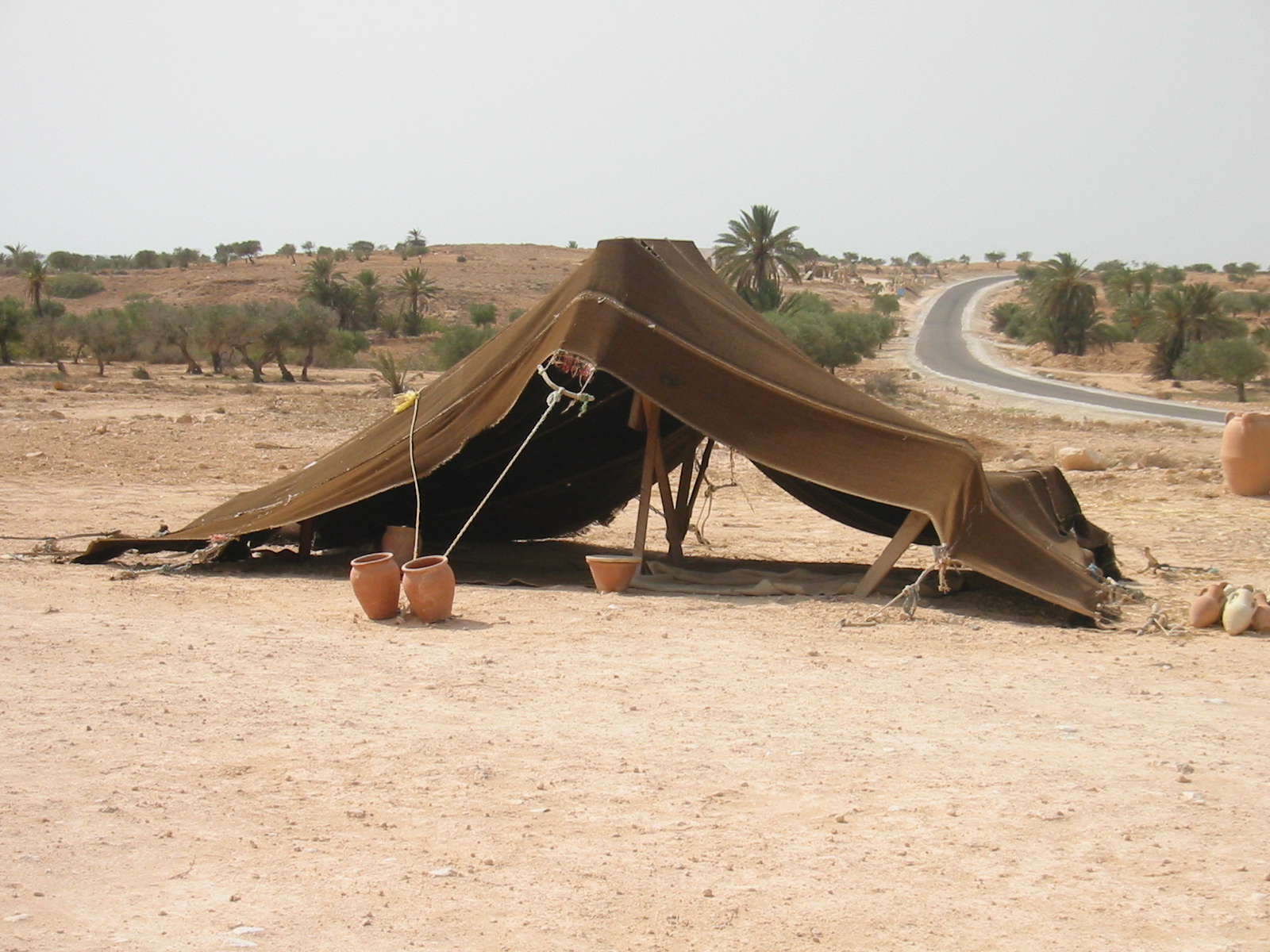
Like many people, this summer my family and I had a holiday which involved camping.  One of the joys of camping is sitting outside with a drink watching the world go by, and over the week we saw the campsite constantly changing as people came and went.  Some people were staying for two or three weeks, others for a few days and some just for one night.  But no matter how long we were staying for, for all of us this was a temporary home.  It is possibly this knowledge that made the short trek to the toilet block in the driving rain bearable!

By camping we were all experiencing a little of what a nomadic lifestyle is like, and more so for those who just stopped for the night, a resting place on their journey to somewhere else.  For those who choose this way of living it can be a joy, even a release from the materialism and consumerism of society.  But for those, such as refugees or the homeless, who have this life forced upon them it can be demoralising and dehumanising.

For the Israelites in the Old Testament the experience of being a nomadic people was deeply ingrained in their identity.  They descended from Abraham who left his home in Ur in what is now south eastern Iraq, travelled to Harran, on what is now the southern border of Turkey, and was called by God to leave there to go to 'The Promised Land' of Canaan, now Israel.  Abraham's grandson, Jacob, then took his family to Egypt to join his son Joseph, who was by then the Prime Minister of Egypt.  The family stayed there and grew in number, were enslaved by the Pharaoh and eventually left Egypt led by Moses.  Their re-entry to the Promised Land was delayed because they didn't trust God (Numbers 14) and so their punishment was to wander in the desert for forty years.  And even when they were to re-enter the Promised Land, God commanded them “The land must not be sold permanently, because the land is mine and you reside in my land as foreigners and strangers” (Leviticus 25:23).

The wanderings in the wilderness meant that the Israelites got used to living in tents, but the remarkable thing about this is that God chose to join them in their camp.  He told Moses “let them make a sanctuary for me, and I will dwell among them” (Exodus 25:8), and then gave instructions on how to build the tent.  When it was finished, the glory of the Lord filled it and “In all the travels of the Israelites, whenever the cloud lifted from above the tabernacle, they would set out; but if the cloud did not lift, they did not set out – until the day it lifted” (Exodus 40:36-37).  God dwelt with his people to guide them and so they could meet with him.

In describing the coming of Jesus, the gospel writer John says that the “Word became flesh and made his dwelling among us” (John 1:14).  The Greek word translated 'made his dwelling' literally means 'encamped' or 'pitched his tent'.  In Jesus we see the fulfilment of God's promise to live with and amongst his people and to guide us as we travel through life.

Wednesday, 7 December 2016

Christmas Playlist. 2: Zechariah's Song - Why do you need God?


Four songs that bring you to the heart of Christmas
2: Zechariah's Song – Why do you need God?

This Advent in our weekly sheets we're going to be looking at the four songs of the first Christmas, which were heard before, during and after the birth of the baby who lies at the heart of the real Christmas. The reflection will be adapted from Alistair Begg's book, 'Christmas Playlist' (buy it here). This week we're looking at Zechariah's song - Why do you need God?

While Mary's is the first song recorded in Luke's gospel, hers was not the first miraculous pregnancy to be described by Luke. That belonged to her elderly relative Elizabeth, whose husband, Zechariah, sang abut his son, John, as he held him in his arms (Luke 1:68-79). The song has come to be known as the Benedictus. The first line of the song (“Praise be to the Lord, the God of Israel, because he has come to his people and redeemed them”) contains two words that lie at the heart of the Christmas message - “come” and “redeemed”. God has come to visit. If you want to understand the first Christmas – if you want to grasp the purpose of God's visit – you need to understand redemption.

Redemption is the act of providing a payment to free someone. And Zechariah is explaining God's work in his present situation by referencing God's work in the past – in the time of the Exodus a millenium and a half before. This was when God rescued the Israelites who had been enslaved in Egypt by Pharaoh. Now, God is redeeming his people all over again. Not form enslavement to an Egyptian king, but from enslavement to their sin – to our own sin. We need, he says “forgiveness of [our] sins.”

Sin is an unpopular word, but it is a word the Bible unashamedly uses, and it is a word which explains both what we see within us and what we see around us. Sin is essentially me putting myself where God deserves to be – in the place of authority and majesty, running my own life, charting my own course. It is saying to God, whether very politely or extremely angrily, I don't want you, I won't obey your commands, I will not listen to your word. I will call the shots.

Sin is our greatest problem because it separates us from the God whom we are made to know and designed to enjoy. But in another sense the truth about sin is also our greatest insight because it explains life as we experience it. There is a mighty, loving God who made us – and so we are capable of acts of greatness and kindness. But we reject that God's authority – and so we are capable of selfishness and evil. We were made to enjoy life with God eternally but we all choose to live in defiance of him. Hence the flatness, the 'blues' that come after Christmas as once again we get beyond the busyness and distraction of the festivities and think deep down, I don't have the answer. None of the gifts, books, music, family or friends can fill the hole in our lives. So, we're really asking God to redeem us from the sin we have chosen – from the slavery we cannot escape and the debt we cannot repay.

At the heart of understanding the first Christmas and why it is such good news is an understanding of the nature of your predicament. And that involves accepting the nature and seriousness of sinfulness – your sinfulness. God did not come down to provide a little religious Energizer battery that would make us nicer people. He came because you were drowning, pulled down by the weight of your sin and miles from the shore. If you're drowning it doesn't help for someone to come along in a boat and say Come on now, thrash a little bit more. Try a little harder. Swim a bit better. You'll be able to get yourself out of that mess. No, you need someone to reach down their hand, grasp yours, and pull you up to safety and take you to shore. And if you know you are drowning, you don't refuse the person whose hand is offered to you. You grab it, and you splutter your gratitude.

And that is what Zechariah is doing. He knows that John will spend his life saying, Hold on. God is coming. And God will rescue you. And so Zechariah sings, just as everyone who grasps what God was doing at the first Christmas sings: “Praise be to the Lord, the God of Israel, because he has come to his people and redeemed them.”